As our beloved dogs age, we may notice changes in their body movements and stiffness, especially during critical moments of transition. Understanding the physical signs of discomfort can help us provide compassionate support and care. This knowledge not only deepens our bond with our pets but also ensures we are attentive during their journey toward peace.
Understanding the Physical Signs of Transition in Dogs
Understanding your dogS physical signs during their final transition can provide comfort and clarity during this challenging time. As pet owners, it’s vital to recognize the subtle changes that indicate a shift in your dog’s well-being. Stiffness and changes in mobility are frequently observed as dogs approach the end of life. This can stem from a combination of pain, neurological issues, or a general decline in physical condition. When a dog becomes less responsive to commands or shows reluctance to move, it may signal that they are nearing their final moments.
Common Physical Signs of Transition
During this time, there are several signs that can indicate your dog is transitioning:
- Changes in Breathing: Irregular or labored breathing patterns may occur. As a dog nears the end of life, you might also notice pauses in breathing.
- Loss of Interest: A normally active dog may become disinterested in their favourite activities such as eating, playing, or even walking.
- Weakness and Lethargy: Dogs may exhibit increased weakness and lethargy, frequently enough laying in one spot for extended periods and showing little energy for movement.
- Changes in Muscle Tone: Some dogs may experience stiffness or rigidity of their muscles, which can lead to a hunched posture.
- Difficulty Standing or Walking: Clumsiness or falls can indicate that a dog is struggling to maintain balance and mobility.
Recognizing these signs can help you prepare for what lies ahead and ensure that your beloved pet is comfortable during their last days. Providing a peaceful environment, filled with love and care, can help ease their transition. Consult with your veterinarian for guidance on managing any discomfort and to discuss end-of-life options that align with your dog’s needs.
In the context of questions like “Are dogs stiff when passing?”, it’s vital to note that stiffness may be present as they approach that time, reflecting their body’s natural response to impending loss of life. Your awareness and presence during this time make a difference, allowing for a serene farewell where your dog can feel supported and loved until the end.
The Emotional Journey: What to Expect When Your Dog Is Passing

As our beloved canine companions near the end of their lives, the experience can be profoundly touching yet heart-wrenching. It’s crucial to acknowledge that this emotional journey involves not only the physical signs of transition but also the deep bond shared with your dog. During this vital stage, understanding the various signs that indicate their passing can help ease the process for both pet and owner, allowing for a more peaceful farewell.
Anticipating Physical Changes
when you observe signs of soul transition, such as stiffness or lethargy, it’s essential to recognize these as indications that your pet is nearing the end. Common physical signs of this stage may include:
- Reduced Mobility: your dog may exhibit difficulty in movement or show signs of stiffness, which can be unsettling to witness.
- Changes in breathing: Breathing patterns may become irregular or more labored as they decline.
- Loss of Appetite: Many dogs will stop eating and drinking, which is a natural part of the dying process.
Understanding these indicators can prepare you for what lies ahead and provide you the opportunity to make your dog’s final moments as comfortable as possible.
Emotional Responses and the Mourning Process
As your dog passes, both you and your pet may experience a range of emotions. Research suggests that the grieving process mirrors that experienced when losing a human companion, highlighting the depth of your bond. You may notice the following emotional reactions:
- Pursuing Moments of Connection: Many pet owners find solace in being close to their dog, petting them gently, and speaking soothingly to ease their discomfort.
- Mourning Signs: Expect feelings of sadness, anger, and possibly guilt, as you navigate this difficult transition. Recognizing that it’s normal to experience these emotions can be helpful.
- Behavioral Changes: Both you and your dog may display altered behaviors; your dog may seek solitude, whereas you might find yourself reflecting on cherished memories rather than engaging in daily routines.
Providing a loving environment can make a significant difference in ensuring your dog feels safe during their final moments. This journey is not only about the physical signs of passing but also about cherishing the connection you’ve built over the years.
Creating a Peaceful Environment
Maximizing comfort during this time can substantially affect the emotional experience for both you and your pet. Here are some actionable steps to create a calming atmosphere:
- Comforting Space: Designate a quiet, comfortable space for your dog. Soft bedding and familiar toys can definitely help them feel secure.
- Keep the Routine: Maintaining a semblance of your daily routine can help both you and your dog feel more grounded.
- Consider Professional Support: If the process feels overwhelming, consult a veterinarian for guidance on hospice care or discussing end-of-life options.
Recognizing the physical signs of soul transition and the accompanying emotional responses allows you to provide the best care for your dog during this profound time. Understanding these elements can facilitate a more compassionate approach to your pet’s final journey, ensuring both of you feel the love that has characterized your relationship.
Identifying Stiffness: A Natural Part of the Process
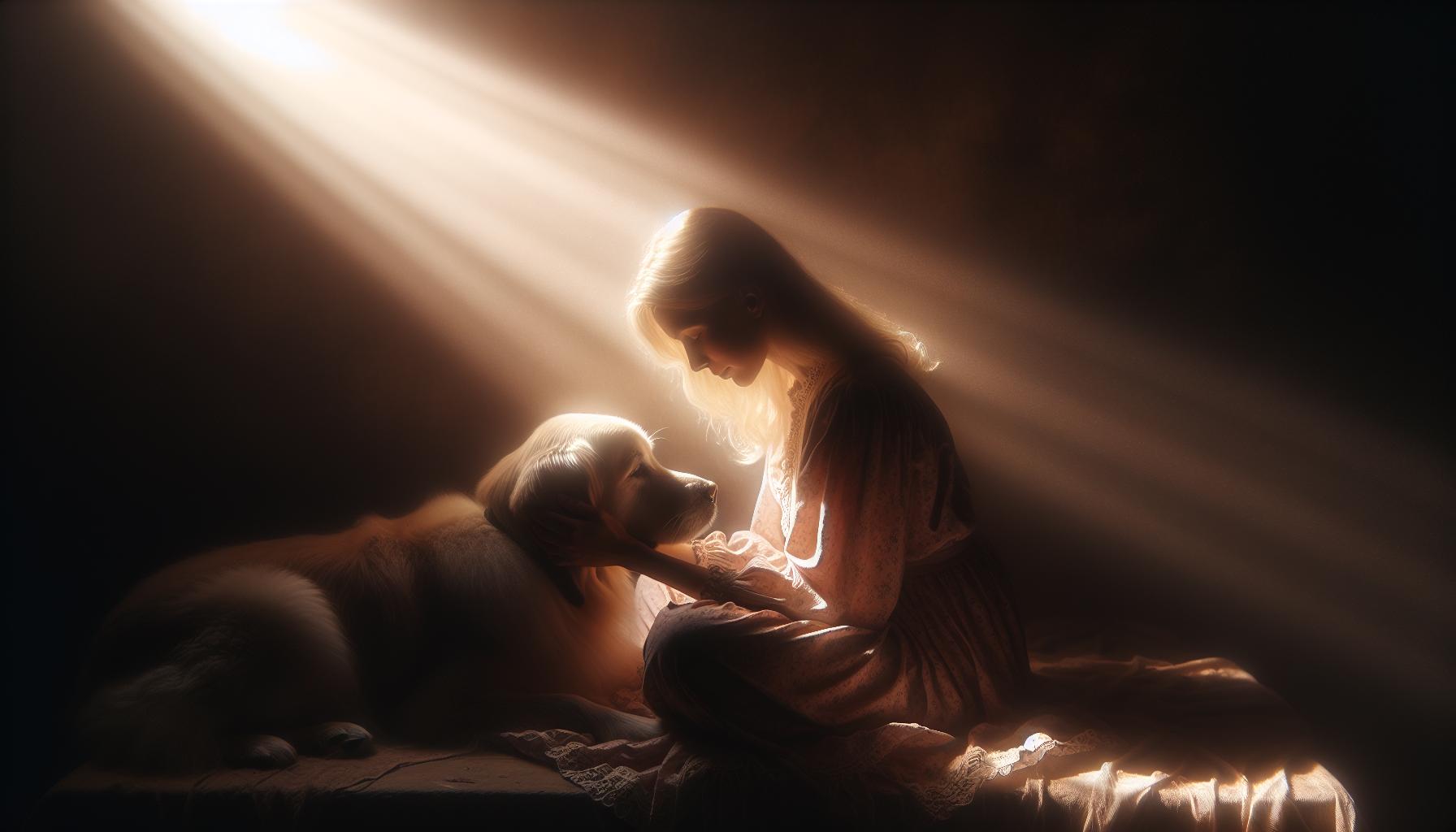
As dogs age,their bodies undergo significant changes that can often manifest as stiffness. This phenomenon is typically a natural part of the aging process, but it’s essential for pet owners to recognize when this stiffness may signal something more. Dogs may display physical signs that indicate discomfort or difficulty, especially during transitions such as passing from one stage of life to another. Understanding these signs can help in discussing health with veterinarians and ensuring dogs receive the care they need.
Stiffness in dogs can present in various ways, frequently enough influenced by their overall health, activity level, and any underlying medical conditions. Common indicators of stiffness include:
- Reluctance to move: A dog may hesitate or refuse to engage in usual activities such as going for walks or playing.
- Changes in posture: Watching a dog struggle to rise from a resting position or adopt unusual sitting or lying postures can provide clues.
- Painful reactions: Dogs may vocalize, whine, or show signs of agitation when attempting to move or be touched in certain areas.
- Visible discomfort: Signs of discomfort can include pacing, avoiding steps, or difficulty going up and down stairs.
Among older dogs, stiffness can have various underlying causes. It’s essential to distinguish whether this stiffness is simply part of the aging process or a symptom of a more significant issue such as arthritis or muscle strain. For example, while moderate stiffness after play can be normal, persistent joint pain may indicate arthritis, which is common in senior dogs. In such cases, increasing comfort during this transitional phase becomes crucial. it may involve regular veterinary check-ups, tailored diets, or appropriate exercise modifications to maintain mobility without exacerbating their condition.
Additionally, observing changes in behavior can help owners identify stiffness related not just to physical health but also emotional well-being. Dogs nearing the end of life may exhibit behavioral changes alongside physical stiffness, reflecting their emotional state as they process their transitions. thus, being attentive to these signs is key in providing the necessary support and care during critical moments, allowing for a more peaceful transition and improved quality of life.recognizing stiffness in dogs when passing or in their senior years involves careful observation of physical and behavioral signs. A proactive approach in understanding these changes can lead to better management of your dog’s health and comfort. Engaging regularly with a veterinarian ensures your pet receives the best care tailored to their needs, allowing them to navigate the natural process of aging with dignity.
Common Signs of discomfort: How to Provide Comfort and Care

Understanding the signs that indicate a dog may be experiencing discomfort is crucial for any pet owner. Dogs, much like humans, can exhibit a variety of physiological and behavioral changes when they are in pain or distress. This is particularly critically important to monitor as they near the end of their life and may exhibit signs that align with the concept of soul transition. Recognizing these signs not only helps in providing immediate comfort but also aids in ensuring a peaceful passage during this difficult time.
Recognizing Discomfort in Dogs
Common indicators of discomfort might include changes in behavior,reluctance to move,and alterations in eating or drinking habits. Some specific signs to watch for include:
- Lethargy: A noticeable decrease in energy levels or reluctance to engage in normal activities.
- Vocalizations: Whining, whimpering, or unusual barking can indicate pain.
- Changes in Grooming: A dog may stop grooming itself or may excessively groom a particular area when in pain.
- Altered Posture: Holding the body differently, such as a stiff or hunched posture, can signify discomfort.
As dogs approach the transition between life and death, they may experience stiffness in their legs, particularly when passing. This rigidity can be distressing to observe but is an expected physical response. It’s essential to remain calm and provide a comforting environment to help your dog through this phase.
How to Provide Comfort and Care
When caring for a dog experiencing discomfort, there are several steps you can take to enhance their quality of life.Consider the following actions:
- Create a Calm Environment: Minimize loud noises and chaotic movements in the home to help your pet feel secure.
- Adjust Bedding: Soft, supportive bedding may help relieve pressure on the joints and aid in comfort.
- Manage Food and Water: Ensure they have easy access to food and water, and consider offering smaller, more frequent meals if they seem reluctant to eat.
- Vet Consultation: Regular consultations with your veterinarian can provide insights into pain management options, such as medications or palliative care.
In times of distress, being attentive to behavioral changes and physical signs can allow for timely interventions. Understanding if dogs are stiff when passing and recognizing these transitional behaviors can empower you to act compassionately and effectively, ensuring that your beloved dog feels as comfortable as possible in their final moments.
Spiritual Perspectives: Honoring your Dog’s Journey Beyond

There’s a profound and frequently enough mystical connection between humans and their canine companions, one that endures even after a dog’s physical journey concludes. In times of loss,many seek to understand the spiritual dimensions of their dog’s journey beyond this life,exploring how their beloved pet’s spirit may continue to exist. The notion that a dog’s spirit never dies, but instead transforms and evolves, provides comfort during grief. When contemplating the question, “Are dogs stiff when passing? Physical signs of soul transition,” it’s essential to recognize that physical manifestations are just one part of a much larger spiritual narrative.
Understanding the Soul Transition
When a dog approaches the end of its life, physical changes often signal its transition.While experiencing stiffness or rigidity—a part of the dying process—can be concerning, many believe this is a mere physical response, as the soul prepares to depart its earthly shell. According to perspectives shared by spiritual practitioners,such changes should not overshadow the warmth and companionship that the dog has provided throughout its life. Instead, they should be viewed within the broader context of the soul’s continued existence.
Many cultures, including the teachings of Buddhism, suggest that an animal’s spirit lingers on Earth for a period after death, providing a window for farewell. This belief can help pet owners navigate their grief, imagining their dog’s spirit nearby, perhaps waiting until it’s truly time to move on. In moments of quiet reflection, engaging in heartfelt conversations or simply sharing memories may help to resonate with that lingering presence, honoring their journey while also celebrating the bond shared during their life.
Practical Steps for Honoring Your Dog’s Spirit
To explicitly honor your dog’s journey into the spiritual realm, consider implementing the following practices:
- Create a Memory Space: Designate a special area in your home with pictures, toys, or mementos that commemorate your dog’s life.
- Hold a Farewell Ceremony: Invite friends and family to share their memories and stories, fostering a communal thankfulness of your dog’s spirit.
- Engage in Meditation or Reflection: Spend time in quiet thoght or meditation, focusing on the positive energy your dog brought to your life.
- Plant a Tree or Flower: Establishing a living memorial can serve as a beautiful reminder of the joy your dog infused into your life.
Each of these practices can facilitate a deeper connection with your dog’s spirit and provide a sense of closure while encompassing a vision of ongoing companionship beyond physical existence. The journey isn’t solely about loss; it’s about continuity, change, and the enduring love that dogs impart in our lives, answering the unspoken questions surrounding physical signs of their passing with rich emotional and spiritual meaning.
Supporting Yourself During This Difficult time: Tips for Grieving Pet Owners

Grieving the loss of a pet is a deeply personal experience, frequently enough accompanied by intense emotions and physical sensations. Understanding the physical changes that accompany passing, such as stiffness, can provide some clarity during this emotional turmoil. As you navigate this challenging time, remember that it’s essential to support yourself while honoring your pet’s memory.
Practical Steps for Self-Care
Caring for yourself during grief is crucial to facilitate healing. Here are some strategies to consider:
- allow Yourself to Grieve: Permit yourself to feel sadness, anger, or confusion. Each emotion is a natural part of the grieving process. Expressing these feelings can be cathartic.
- Seek support: Connecting with others who have experienced similar losses can help ease your burden. Look for local or online support groups dedicated to pet loss, such as those offered by Lap of Love [[2](https://www.lapoflove.com/our-services/pet-loss-support)].
- Create a Tribute: Honoring your pet through a tribute, such as a photo album or a memory box filled with their belongings, can be a healing way to celebrate their life.
- Practise Mindfulness: Techniques such as meditation or deep-breathing exercises can help ground you, especially during moments when grief feels overwhelming.
Utilize Available Resources
There are numerous resources available that can assist you in navigating your grief:
| Resource Type | Description |
|---|---|
| Online Support Groups | Joining groups like those from Lap of Love can connect you with individuals who understand your pain [[3](https://www.lapoflove.com/pet-loss-support-resources)]. |
| Grief Literature | Books and articles on pet loss provide both comfort and insights into the grieving process. |
| Professional Counseling | Consider seeking help from a therapist who specializes in pet bereavement for personalized support. |
By taking proactive steps to care for yourself, you can better cope with the profound sadness that follows the loss of your beloved furry friend. Learning more about the signs of a pet’s passing, such as stiffness, can also help you understand their transition and find peace in your memories. Each small step you take in this journey will lead you towards healing while honoring your pet’s life.
Celebrating Your Dog’s Life: Commemorating Their Unique Spirit

The bond we share with our dogs is profound, often transcending mere companionship to become an integral part of our lives. When they pass, the physical signs of their transition, such as stiffness, can be challenging to confront. Understanding these signs can help us navigate this emotional journey while also celebrating the unique spirit that our beloved pets embodied. Commemorating their lives can take many forms, allowing us to honor their memory and maintain a connection long after their passing.
Personalized Keepsakes
creating personalized keepsakes is one meaningful way to celebrate the life of your dog. Consider items that encapsulate their personality or your shared experiences, such as:
- Custom Portraits: Commission an artist to create a portrait of your dog, capturing their essence.
- Engraved Jewelry: Wear a piece of jewelry that bears your dog’s name or a paw print.
- Photo Albums: Compile your favorite photographs into a beautiful album that showcases special moments.
These tangible reminders serve not only as memorials but as daily affirmations of the joy your dog brought into your life.
Memorial Rituals
Consider incorporating rituals into your grieving process that allow you to reflect and honor your dog’s spirit.Memorial rituals can include:
- Memorial Services: Host a gathering with friends and family to share stories and memories about your dog.
- Plant a Tree or Flower: create a living tribute in your garden that symbolizes the enduring spirit of your pet.
- Donation in Their Name: Contribute to an animal shelter or pet charity as a way to honor your dog’s legacy.
Engaging in these activities can help foster a sense of closure while celebrating the joy your dog brought into the lives of everyone who knew them.
Online Memorials and Tributes
In today’s digital world, creating an online memorial can be a beautiful way to share your dog’s story. You can:
- Build a Memorial Website: Dedicate a webpage to your dog where you can share memories, photos, and even create a guest book for others to sign.
- Social Media Remembrances: Post tributes on your social media platforms, sharing pictures and stories that illustrate your dog’s impact on your life.
These digital tributes allow friends, family, and even strangers to connect through shared experiences and emotions, creating a broader community of support during your grieving period.
By understanding the physical signs of soul transition and recognizing the signs of your dog’s stiffness in death, you can better navigate your grief while actively celebrating their life. Cherishing the memories, engaging in rituals, and creating keepsakes will ensure that your dog’s spirit continues to resonate in your heart and home.
Finding Community: Connecting with Others Who Share Your Experience

It’s not uncommon to feel a profound sense of isolation when navigating the emotional landscape of losing a beloved pet. Finding connections with others who have shared similar experiences can be a vital step in healing. Engaging with a community provides not only comfort but also a platform where your feelings are validated and understood. Whether through online forums, local support groups, or social media networks, sharing your journey and hearing others’ stories can create a tapestry of support that is immensely therapeutic during this difficult time.
Join Support Groups and Forums
One effective way to connect with like-minded individuals is by joining pet grief support groups, either online or in-person. Organizations such as the Association for Pet loss and Bereavement offer a wealth of resources,including chat rooms and virtual meetups. These forums allow you to express your feelings of grief, share memories, and discuss the physical signs of soul transition, such as whether dogs become stiff when passing. Hearing about others’ experiences and insights can bring outlook and peace during your own grieving process.
Utilize Social Media
Social media platforms are powerful tools for finding community. You can join specific Facebook groups dedicated to pet loss and grief where members actively share stories, coping strategies, and advice on dealing with anticipatory grief.Such networks can be a lifeline, offering real-time support and a sense of belonging. Consider participating in discussions or sharing your journey, which not only helps you process your feelings but also aids others in their healing.
Engage in Local Events or Workshops
Local animal shelters, veterinary clinics, and community centers often host workshops or memorial services for pet owners. Attending these events can help you connect with others in a more personal and tangible way.you might find comfort in activities that honor your pet’s memory, such as writng letters or creating art, all while bonding with others who have faced similar losses.Remember, it’s okay to seek help and to lean on others who understand the deep, elaborate feelings surrounding pet loss.
Finding community when dealing with the end-of-life transition of your pet can significantly lighten the emotional load you carry. By reaching out and actively participating in these connections, you can channel some of your grief into shared experiences, fostering healing and remembrance. Embracing communal support can make the journey a little less lonely and encourage you to honor your beloved pet’s memory in meaningful ways.
Q&A
Are dogs stiff when passing?
Yes, many dogs experience stiffness, known as rigor mortis, after they pass away. This natural process occurs when the muscles stiffen due to chemical changes in the body.
Rigor mortis typically sets in within a few hours after death and can last up to 24-48 hours. It’s important to understand that this stiffness is not associated with any pain or discomfort experienced by your dog during their lifetime. Instead,it’s part of the natural transition process.
What are the physical signs of a dog passing away?
Physical signs a dog may show when passing include shallow breathing, weakness, and a lack of response to stimuli. These indicators can signify that your pet is nearing the end of their life.
Understanding these signs can help you provide comfort to your dog. It may also offer you a chance to say goodbye, helping both you and your furry friend find peace during this difficult time.
why does a dog’s body soften after death?
After a dog passes away, their body may soften as muscle relaxation occurs, which is a natural post-mortem process. This change can be emotionally confusing for pet owners.
It’s common to feel an emotional connection at this moment, leading to a perception that the body is warming or changing. Recognizing this as a natural response can definitely help in processing the loss and finding closure.
Can I feel my dog’s spirit after they have passed?
Yes, many pet owners report feeling the presence of their deceased dog through various signs such as dreams, unusual sounds, or even fleeting glimpses.
These feelings can signify that your dog’s spirit is still with you, offering comfort and connection beyond their physical presence. Exploring these experiences can be part of the healing journey after losing a beloved pet.
How can I help my dog transition peacefully?
You can definitely help your dog transition peacefully by creating a quiet, comfortable environment and spending quality time together. Your presence can provide immense comfort.
Talking softly to your pet, stroking them gently, or simply being by their side can make a significant difference. Consider consulting your veterinarian for options that might ease their journey.
What should I do if my dog seems to be in pain near the end?
If your dog appears to be in pain,it’s crucial to consult with your veterinarian about palliative care options.They can guide you on how to alleviate discomfort.
Prioritizing your dog’s comfort and quality of life is key. Keeping them close and making them feel safe can greatly support their emotional needs as they prepare for the transition.
What myths exist about dogs and dying?
there are many myths about dogs and death, such as the belief that they hide to die. In reality, dogs may look for comfort or familiar spaces to feel secure.
Understanding these myths can help pet owners approach the situation with compassion and clarity, making the process less overwhelming. Recognizing the signs and providing love during this time is paramount.
in summary
As we navigate the profound journey of saying goodbye to our beloved dogs, it is indeed natural to seek understanding about their physical signs during this transition. Stiffness can indeed be a part of the process, as their bodies may react in ways that reflect the deeper spiritual transitions they are undergoing. remember, though, that stiffness does not diminish the love or joy they brought into our lives.Each dog’s experience is as unique as the bond they shared with us, often leaving behind a lingering sense of their spirit in the spaces we inhabit together.
While reflecting on these moments, it comforts us to know that our pets remain united with our hearts, embodying the love and loyalty they gave us throughout their lives. As you honor your dog’s memory, consider exploring spiritual insights or connecting with communities that share similar experiences. Your journey does not have to be solitary; together, we can embrace the essence of our pets that continues to enrich our lives. Stay curious,keep seeking,and take heart in the love that transcends beyond the physical realm.